
Information About The Tree Planting Project
Purpose Statement
The village and surrounding areas face severe environmental challenges due to dry conditions and a lack of trees. This scarcity of greenery negatively impacts soil fertility, biodiversity, air quality, and overall climate resilience, making daily life more difficult for residents. Without adequate tree cover, the land is more susceptible to erosion, water retention decreases, and extreme weather conditions become harder to manage.
In response to these concerns, the organization seeks to support local schools and villages in planting more trees. Establishing tree-planting initiatives within school compounds and designated village areas will enhance environmental sustainability, provide shade, improve air quality, and contribute to long-term ecological restoration.
Beyond the immediate village, the project also aims to replicate these efforts in nearby communities, expanding environmental benefits across a wider region. By promoting collective action and environmental awareness, this initiative will foster a greener, healthier, and more resilient ecosystem for current and future generations.
Project Description
This project aims to restore the natural environment and combat the dry conditions affecting the village and surrounding areas by supporting tree-planting initiatives. Recognizing the urgent need for reforestation, the organization will collaborate with local schools and community leaders to plant trees in designated areas within schools and villages.
By increasing green cover, this initiative will enhance soil fertility, improve air quality, and contribute to climate resilience, making the village environment more sustainable and livable. Additionally, the project is designed for long-term impact, with plans to replicate successful efforts in nearby villages, fostering a larger movement toward environmental restoration and conservation.
Through collective action and community engagement, this project will promote ecological awareness and create a lasting positive impact on the local environment.
Project Timeline
This project is set to unfold over a span of three years, beginning on the March 2024 and concluding on the June 2030
Expected Impact Statement
This project is expected to bring significant environmental and social benefits by addressing the lack of trees and dry conditions affecting the village and surrounding areas. The anticipated impact includes:
- Restored Soil Fertility and Ecosystem Health: Increased tree cover will reduce soil erosion, improve water retention, and create a healthier environment for biodiversity to thrive.
- Improved Air Quality and Climate Resilience: Trees will help filter pollutants, regulate temperatures, and contribute to a more balanced local climate, reducing the negative effects of extreme weather conditions.
- Enhanced Livability and Community Well-being: More greenery will provide shade, improve aesthetic appeal, and create a more comfortable and dignified living environment for residents.
- Educational and Community Engagement: Schools and villages will be actively involved in tree planting, promoting environmental awareness and instilling a culture of sustainability in future generations.
- Replicated Environmental Benefits in Nearby Villages: The success of this project will serve as a model for expanding tree-planting initiatives to neighboring communities, creating a wider positive impact on the region’s ecosystem.
By fostering collective action and long-term environmental stewardship, this initiative will contribute to a greener, healthier, and more sustainable future for current and future generations.


Most Related
The Education For Growth Project
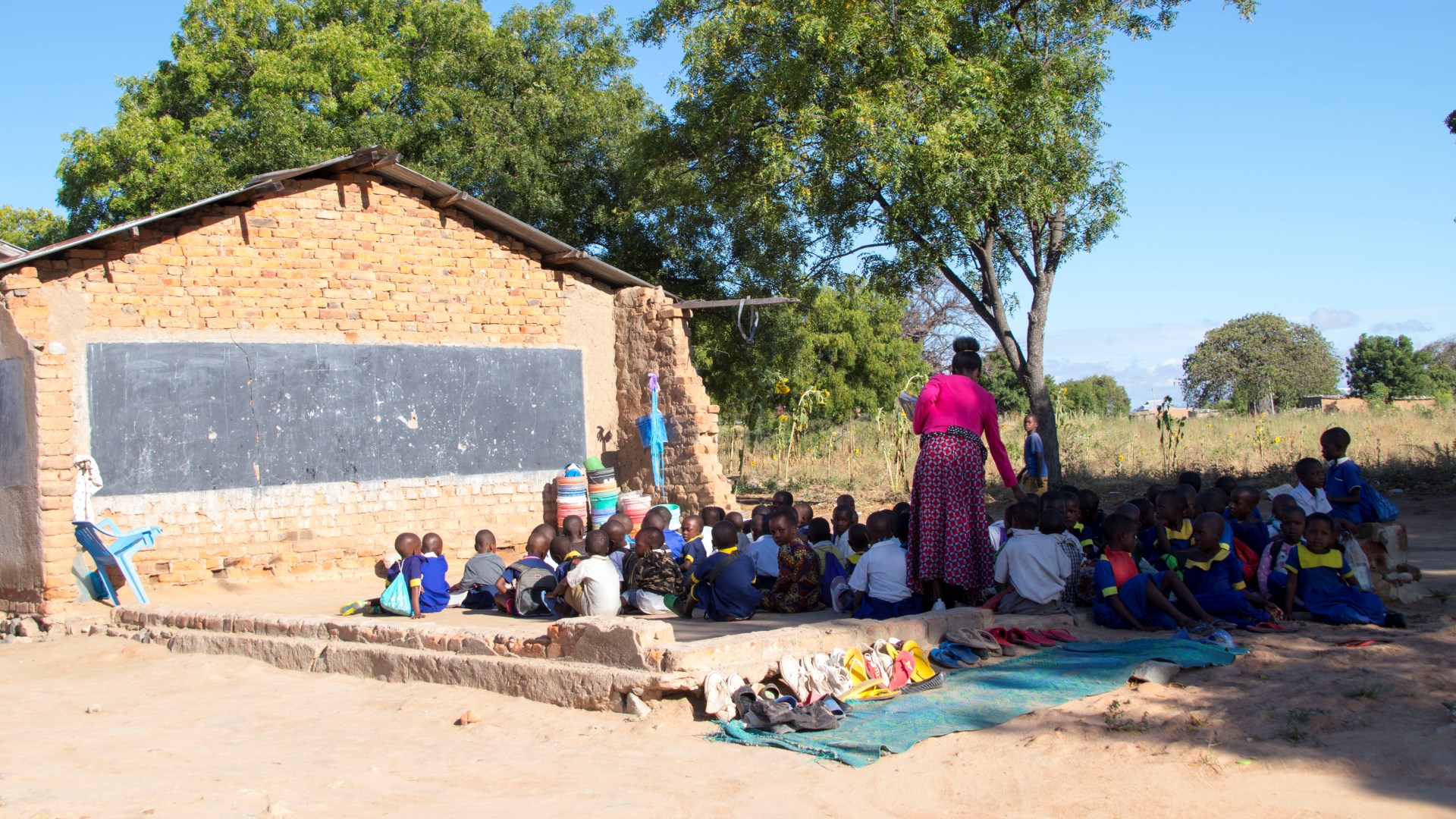
Primary School Pupils Be Taught while siting Outside on the floor after their clasroom collapsed
Water Supply Project
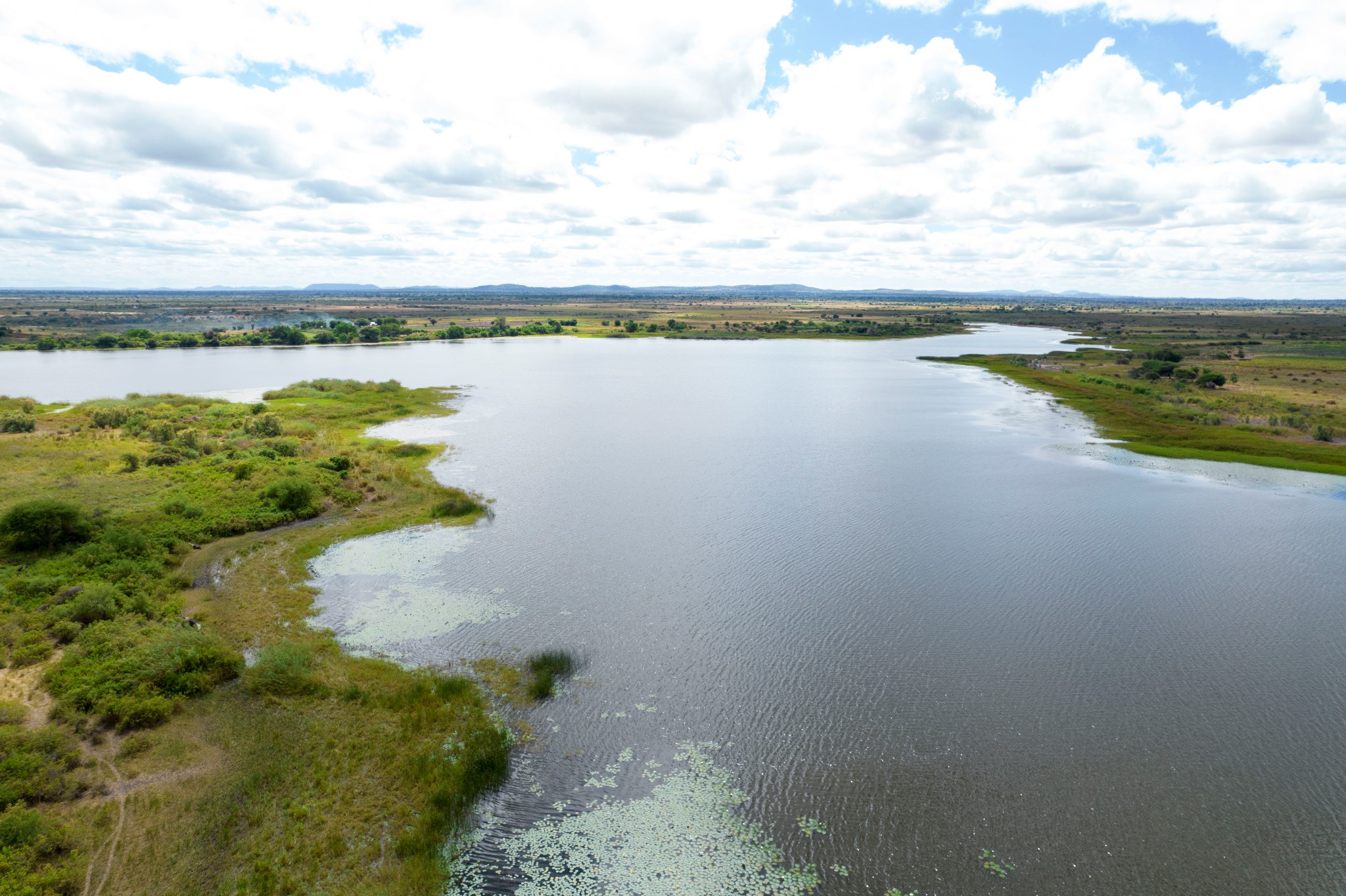
Nondwa Village faces severe challenges due to the scarcity of water, negatively impacting daily life, education, and overall community well-being. The primary water source, a dam located four miles away, forces mothers to spend significant time fetching water,...
Income Generating Activities (IGA) Project
Small industries, farmer groups, individual entrepreneurs, and trainers of trainers (TOT) face significant challenges in improving agricultural productivity and processing techniques. Many lack access to modern farming methods, efficient processing technologies, and...